


Your home is more than just a place to live—it’s a reflection of your emotions, personality, and lifestyle. Research in environmental psychology shows that interior design directly influences mental well-being, productivity, and overall happiness. In this guide, we explore how home design impacts mood and provide expert tips to create a space that promotes positivity and balance.
The Connection Between Design and Emotions
1. Color Psychology
Colors have a profound effect on mood. Warm tones like red and orange can energize and stimulate, while cool shades such as blue and green promote calmness and relaxation. Neutral tones create balance and stability, making them a popular choice in modern home design.
2. Natural Light and Mental Health
Exposure to natural light boosts serotonin levels, improving mood and focus. Homes with large windows, skylights, and open layouts feel more uplifting and spacious. Layering with artificial lighting, such as warm-toned lamps, helps maintain a positive ambiance during the evenings.
3. Spatial Layout and Flow
A cluttered or cramped layout can increase stress and anxiety, while open, well-organized spaces encourage relaxation and productivity. Flow in design—how furniture and decor are arranged—affects how you move and feel within your home.
4. Texture and Sensory Comfort
Soft fabrics, natural wood, and cozy rugs contribute to comfort and warmth. Harsh or cold textures, when overused, may create feelings of discomfort. Mixing different textures adds depth and creates a nurturing environment.
5. Personalization and Identity
Decor that reflects personal identity—such as photos, artwork, and meaningful objects—creates emotional security. Spaces that feel uniquely yours provide a sense of belonging and comfort.
How Different Spaces Affect Your Mood
Living Room: Social Connection
A well-designed living room encourages bonding and socialization. Comfortable seating, warm lighting, and inviting colors help foster relaxation and meaningful conversations.
Bedroom: Rest and Rejuvenation
Bedrooms should be designed for rest. Soft tones, blackout curtains, and cozy bedding promote better sleep and a calmer mind. Keeping electronics out of the bedroom also reduces stress.
Kitchen: Creativity and Nourishment
Bright, organized kitchens inspire creativity and healthy living. A functional layout with natural materials enhances motivation for cooking and family interaction.
Home Office: Productivity and Focus
In 2025, with remote work still prevalent, home offices should prioritize focus and motivation. Neutral colors, ergonomic furniture, and minimal distractions create an environment that boosts productivity.
Outdoor Spaces: Calm and Renewal
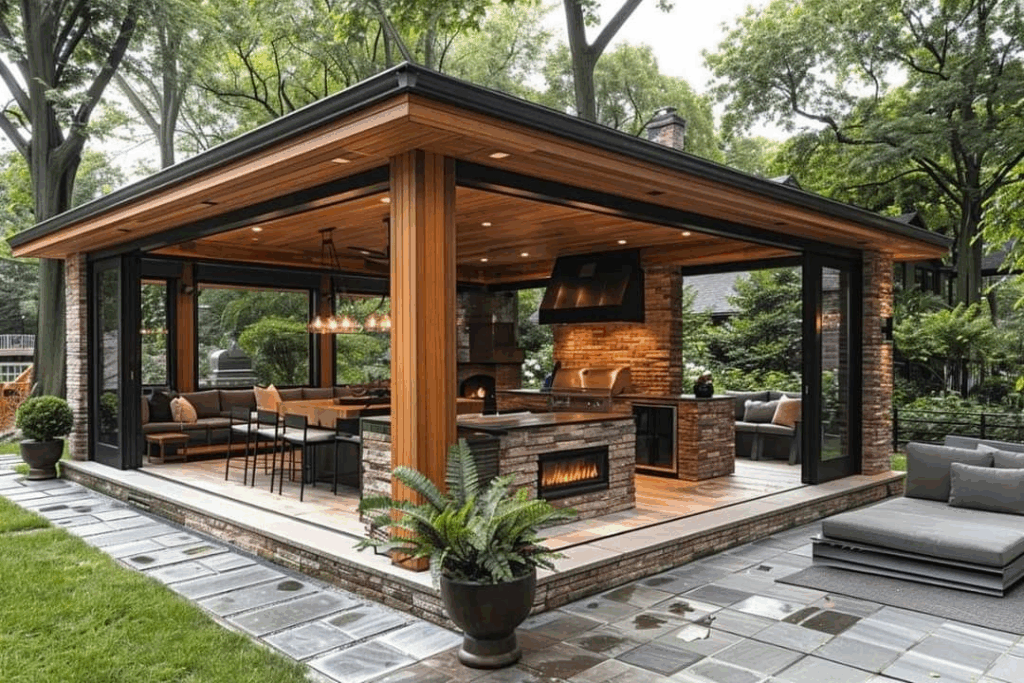
Gardens, balconies, and patios extend your living space into nature. Incorporating plants, natural textures, and fresh air fosters relaxation and lowers stress levels.
Expert Tips for a Mood-Boosting Home
- Declutter Regularly – Organized spaces reduce stress and improve focus.
- Choose Calming Colors – Opt for blues, greens, or neutrals in areas meant for relaxation.
- Maximize Natural Light – Use sheer curtains or mirrors to reflect sunlight indoors.
- Bring Nature Inside – Incorporate indoor plants for a refreshing and stress-relieving atmosphere.
- Create Dedicated Zones – Separate spaces for work, rest, and socialization to maintain balance.
