


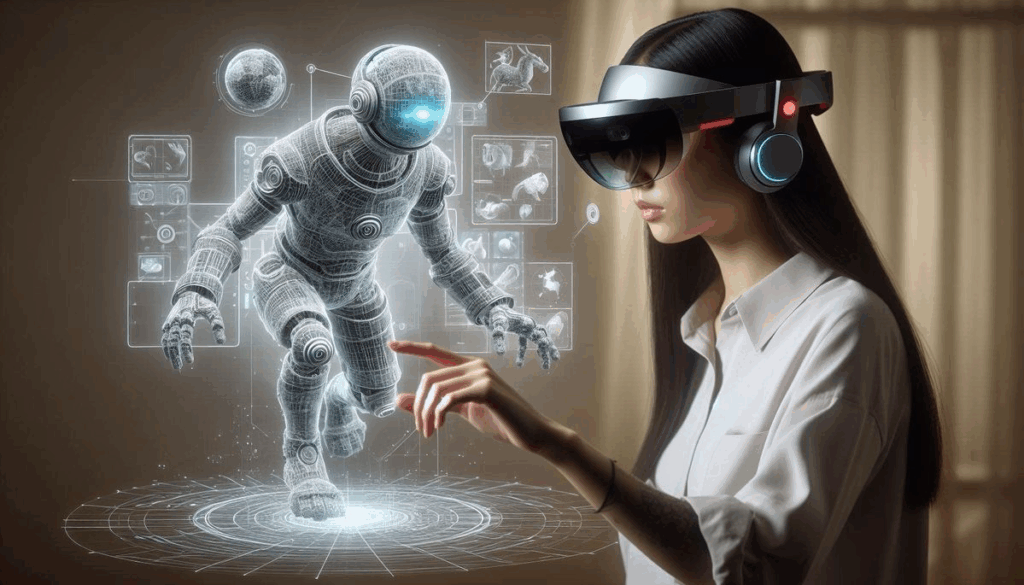
Virtual reality (VR) is revolutionizing the way we interact with digital content, offering fully immersive experiences that go beyond traditional design. From gaming and education to healthcare and business, VR design plays a critical role in shaping how users perceive and engage with virtual environments. This guide explores the principles, trends, and best practices for mastering VR design in 2025 and beyond.
The Importance of VR Design
A well-designed VR experience does more than just look visually appealing—it ensures usability, comfort, and emotional engagement. By combining storytelling, interactivity, and advanced technology, designers can create virtual worlds that feel natural and captivating.
Key Principles of VR Design
1. User-Centered Design
VR experiences must prioritize user comfort and interaction. Elements like intuitive controls, natural gestures, and ergonomic design reduce motion sickness and enhance engagement.
2. Spatial Awareness
Unlike 2D design, VR requires an understanding of three-dimensional spaces. Designers must consider depth, scale, and perspective to create realistic and immersive environments.
3. Accessibility and Inclusivity
Designing VR for diverse users is essential. Features like customizable text sizes, adaptive controls, and sensory-friendly environments make VR accessible to broader audiences.
4. Performance Optimization
Smooth performance is crucial in VR. Optimizing textures, reducing latency, and maintaining high frame rates prevent discomfort and ensure seamless immersion.
5. Storytelling and Interactivity
Narrative-driven VR experiences foster emotional connections. Interactive elements, branching storylines, and gamification techniques keep users engaged for longer periods.
Top VR Design Trends in 2025
Photorealistic Environments
High-resolution textures and advanced rendering techniques create lifelike virtual worlds that blur the line between reality and simulation.
Haptic Feedback Integration
Haptic devices add a tactile dimension to VR, allowing users to feel textures, vibrations, and resistance, making experiences more immersive.
Social VR Spaces
With the rise of the metaverse, social VR platforms enable collaboration, events, and shared experiences, reshaping the way people connect digitally.
AI-Enhanced Interactions
AI-driven avatars and intelligent NPCs (non-playable characters) provide dynamic, personalized interactions that adapt to user behavior.
Cross-Platform VR Experiences
Designing VR applications that work across headsets, mobile devices, and desktop platforms ensures accessibility and wider adoption.
Expert Tips for Designing Immersive VR Experiences
- Prioritize Comfort – Avoid sudden movements and provide adjustable settings for motion sensitivity.
- Guide User Attention – Use lighting, sound, and visual cues to direct focus naturally within the virtual environment.
- Test Frequently – Regular user testing helps identify discomfort points and usability issues early.
- Balance Realism and Creativity – Blend realistic elements with imaginative features to maximize immersion.
- Leverage Sound Design – Spatial audio enhances realism and helps users orient themselves in the virtual world.
Applications of VR Design
- Gaming – Creating interactive, high-fidelity gaming experiences.
- Education – Designing immersive classrooms and training simulations.
- Healthcare – VR therapy, rehabilitation, and medical training.
- Retail – Virtual showrooms and shopping experiences.
- Real Estate – 3D tours and immersive property showcases.
